 The Cyano Codex
Cyanotype: the art of printing in blue

What do you want to do?
- Make my first cyanotypeFrom paper to light to water: what you need and in what order.
- Turn a photo into a cyanotypeFrom your photo to a full-size negative, ready for contact printing.
- Bring it to the classroomA session for a group, with pre-coated paper and clear rules.
- Choose a kitWhat each type includes, how far it goes and who it’s for.
- Meet Anna AtkinsThe botanist who illustrated a book of algae with cyanotypes.
What you’ll find here#
Cyanotype is a simple photographic process: two iron salts, paper, sunlight and water. Many of the recipes going around have never been checked. This guide explains the whole process, from your first sheet of coated paper to the framed print, and lists at the end of every page where each fact comes from.
We work from scientific papers, manufacturers’ safety data sheets, official agencies, museums and archives. If a fact can’t be confirmed, it isn’t included; if sources disagree, the page says so. How we do this is explained in how we work; the full list of works consulted is in sources and bibliography.
The buying guides don’t give scores or rank products by quality: we don’t test them. They choose by use, based on the specifications each manufacturer publishes. Some links go to Amazon; how we fund the site is explained in our affiliate policy.

Tools, downloads and buying guides#
The tools are free and run in your browser. The Digital Negative Maker turns a photo into a full-size negative, ready to print on transparency film; your photo never leaves your device. The downloads are printable PDF templates to keep in your workspace: a quick guide, a test strip, a test log, a safety poster and a classroom handout.
When it’s time to buy, the guides to what you need to make cyanotypes tell you what to look for in each material before you choose: the exact name of the chemical on the label, a paper that holds up to washing, or the wavelength a lamp needs.
The Journal is our blog: artists, works, archives and the science of cyanotype, the things that don’t fit in a tutorial but help you understand what you’re doing. And if a word trips you up, the glossary explains it in European Spanish, Latin American Spanish and English.

The process in five steps
How the paper changes: from the yellow coating to Prussian blue.
Free tool
Make your digital negative
Upload a photo and download it as a negative, full size and ready to print on transparency film. Everything happens in your browser: your photo is never sent to a server.
Open the Digital Negative Maker
Everything the guide covers

- Develop
- Prepare

- Coat
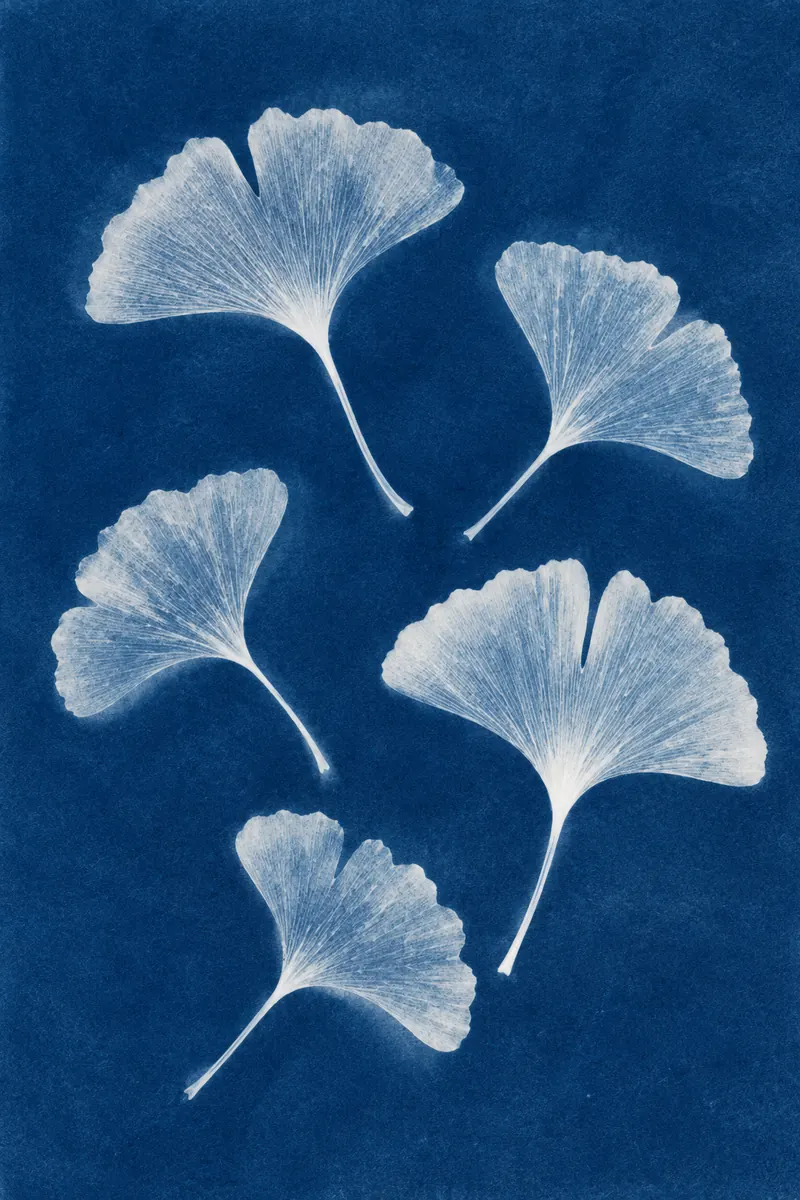
- Coat
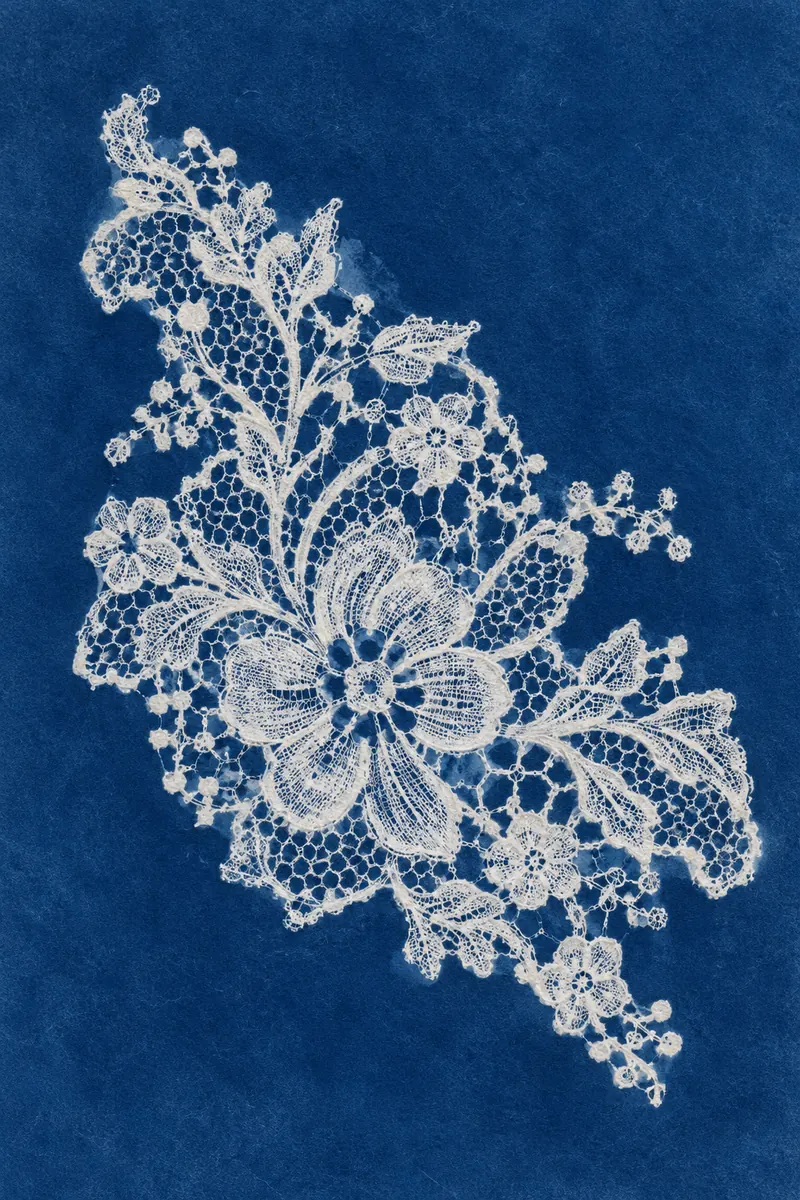
- Expose

- Expose

- Finish

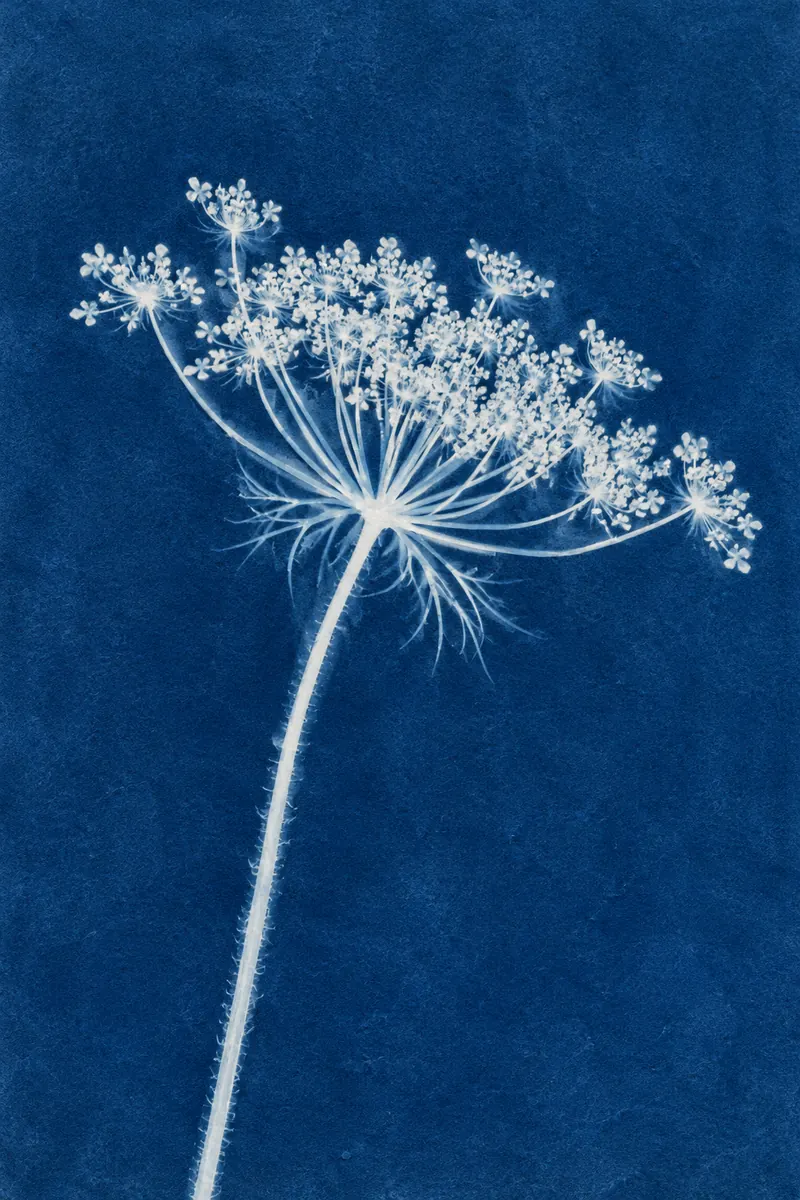

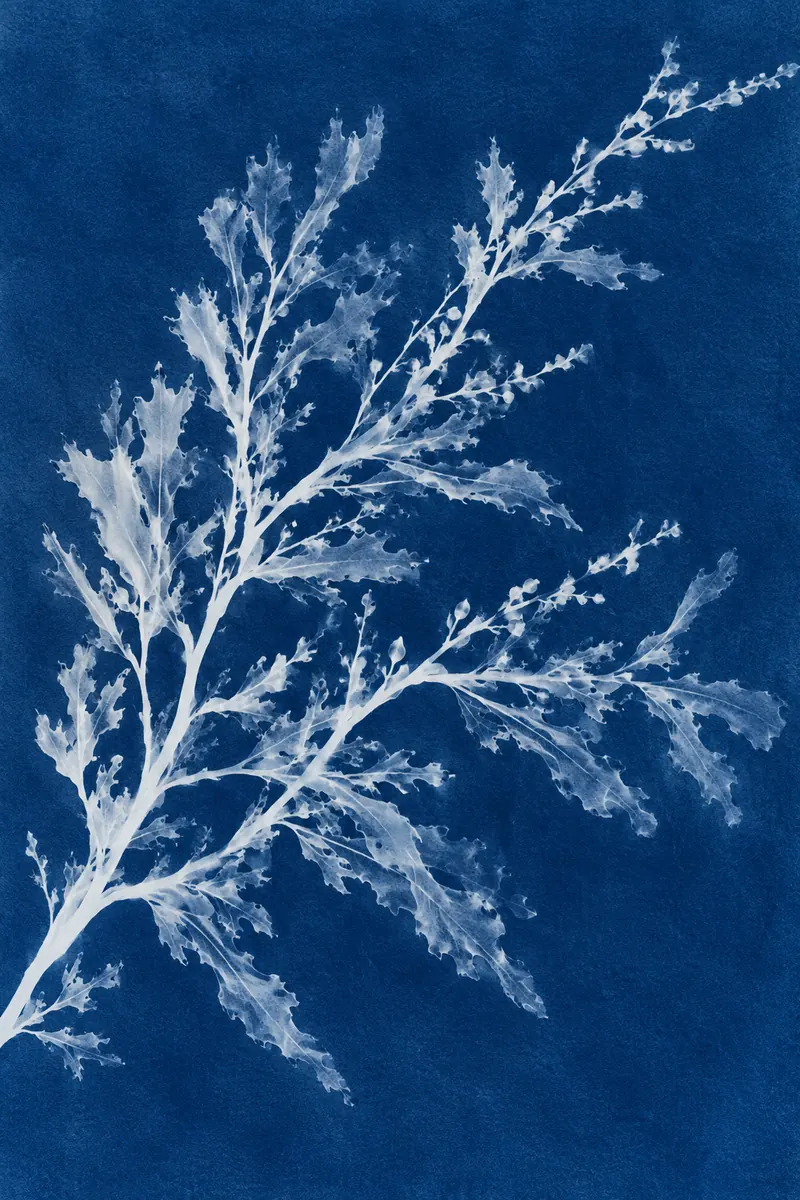

- Finish
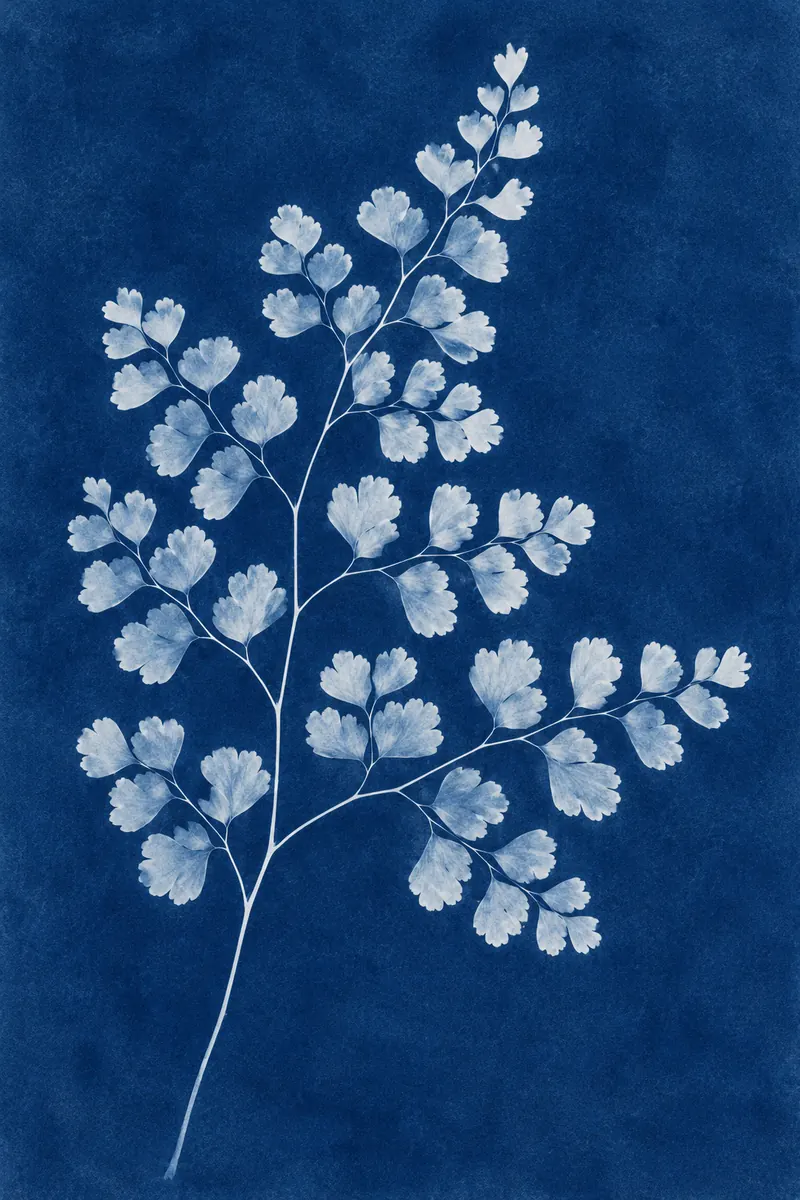
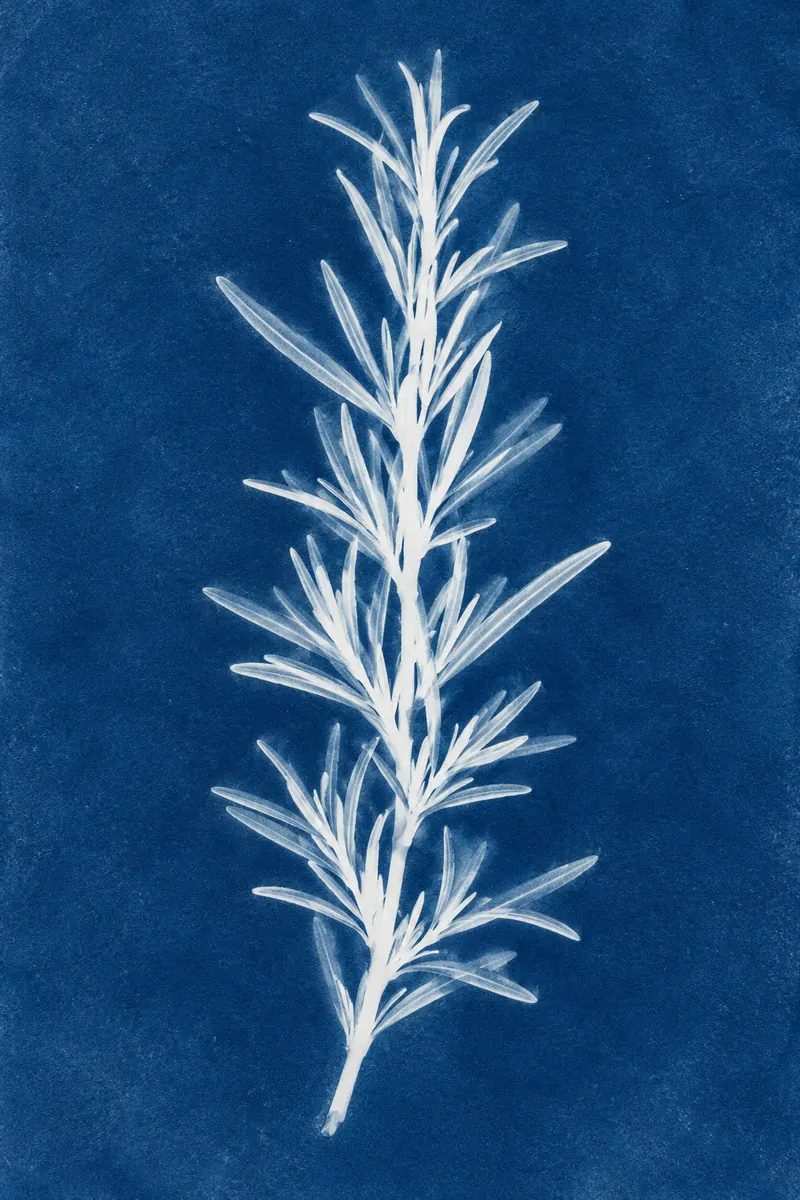


Projects to start with
See all projects


History
Anna Atkins: the botanist who illustrated a book with cyanotypes
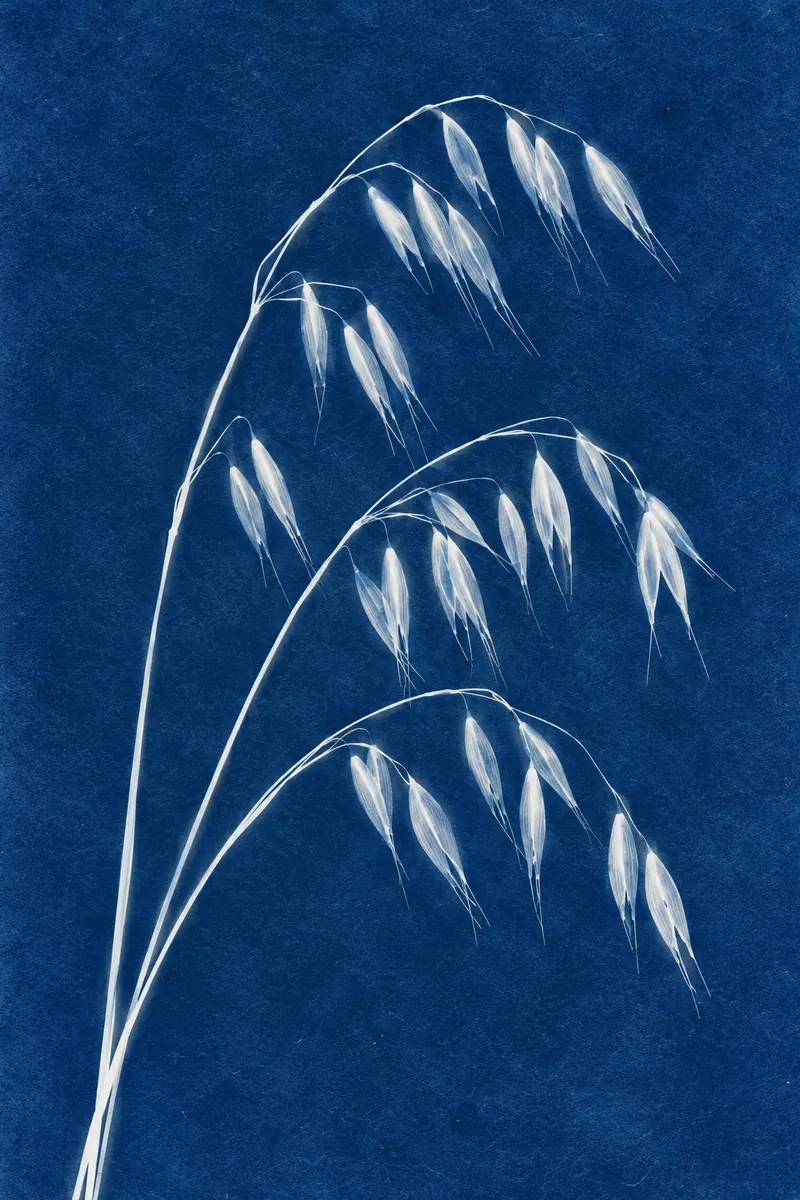
Anna Atkins (1799–1871) was an English botanist who used the newly invented cyanotype to illustrate a book of algae, starting in 1843. Before that she had drawn shells for her father; later she made fern albums with her friend Anne Dixon. Here is her life with verified dates, and what the sources say, and don’t say, about her.
Read about Anna AtkinsTo get started at home
Compare kitsAffiliate links. Illustrative images: not the exact products. The current price is on Amazon.
Buying guides, material by material
What you need to get startedThe Journal, our blog
All posts- No. 20Rauschenberg and Weil: full-body cyanotypes around 1950How Robert Rauschenberg and Susan Weil made their full-body cyanotypes around 1950, where they were shown in 1951 and which museums hold them today.

- No. 19Meghann Riepenhoff: cyanotypes made with waves, salt and sandHow Meghann Riepenhoff makes her Littoral Drift cyanotypes with waves, salt and sand, why they change with light and which museums show them.

- No. 18From the ferrioxalate actinometer to cyanotype: the chemistry that measures lightThe light that turns a cyanotype blue changes iron(III) into iron(II). That same reaction is the ferrioxalate actinometer, the standard for measuring light.
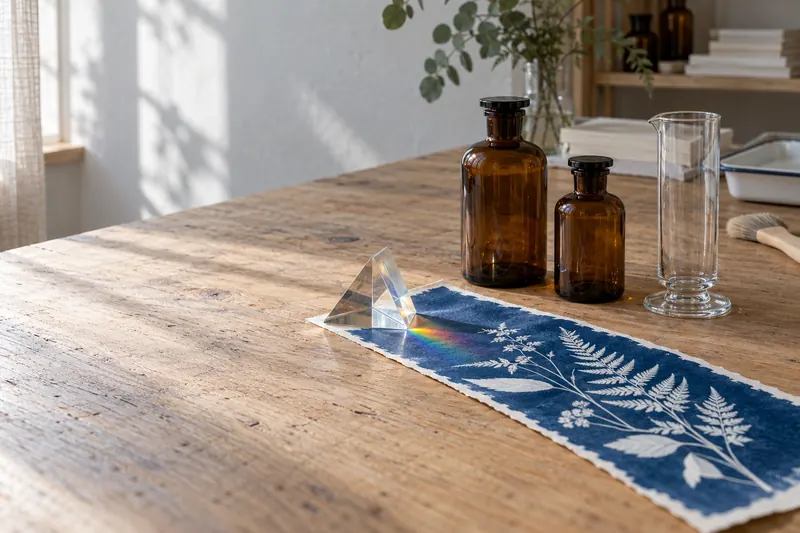


Cyanotype is a low-risk process if you work with gloves, safety glasses and a few simple rules. Read them before you open the first bottle: cyanotype safety.